Comprehensive Guide to IT Infrastructure Management for Sydney Businesses
Understanding IT Infrastructure Management
In today's digital age, IT infrastructure management is crucial for businesses seeking efficiency and growth. This involves overseeing essential components such as hardware, software, network resources, and services. For Sydney businesses, effective management ensures seamless operations and a competitive edge in the market.
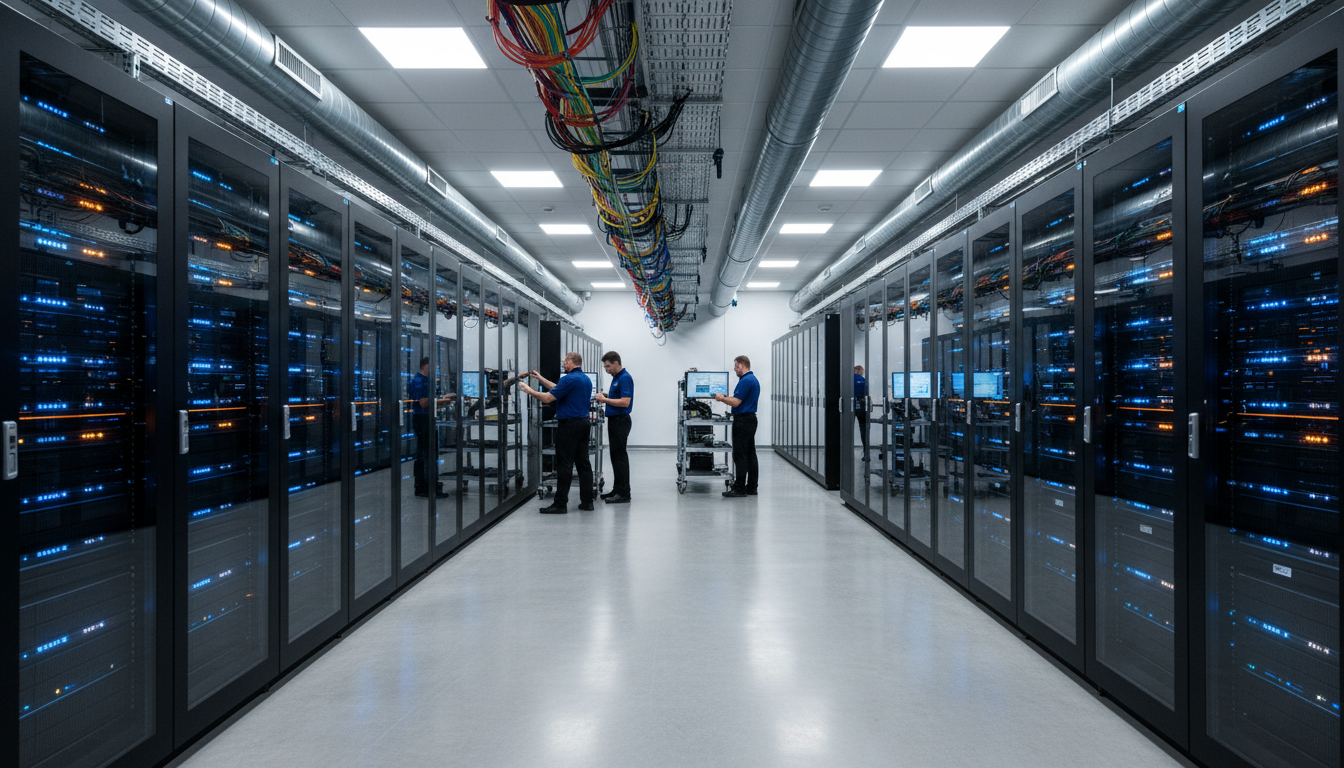
Key Components of IT Infrastructure
The backbone of IT infrastructure includes several critical components:
- Hardware: Servers, computers, and data centers form the physical foundation.
- Software: Operating systems and applications that drive business processes.
- Network: Routers, switches, and internet connections facilitating communication.
- Data Storage: Solutions for storing and backing up important business data.
Each element plays a unique role in ensuring your business stays connected and operational.
Benefits of Effective Management
Proper IT infrastructure management offers several advantages:
- Increased Efficiency: Streamlined processes and reduced downtime.
- Cost Savings: Optimized resources and reduced waste.
- Enhanced Security: Protection of sensitive data from cyber threats.
- Scalability: Ability to grow and adapt as business needs change.
These benefits contribute to a more robust and agile business environment.

Challenges in IT Infrastructure Management
Despite its benefits, managing IT infrastructure comes with its own set of challenges. These can include:
- Complexity: Navigating the intricate web of technologies and systems.
- Security Threats: Constantly evolving cyber threats require vigilant monitoring.
- Cost Management: Balancing the budget while maintaining quality and innovation.
Addressing these challenges requires strategic planning and expert oversight.
Strategies for Effective Management
To manage IT infrastructure effectively, businesses should consider the following strategies:
- Regular Audits: Conduct frequent assessments to identify and resolve issues proactively.
- Invest in Training: Equip staff with the necessary skills to manage and troubleshoot systems.
- Utilize Automation: Implement automation tools to handle repetitive tasks and reduce errors.
- Engage Managed Services: Partner with experts to oversee complex infrastructure needs.

Future Trends in IT Infrastructure
As technology evolves, so too does IT infrastructure management. Key trends include:
- Cloud Computing: More businesses are migrating to cloud-based solutions for flexibility and cost efficiency.
- Artificial Intelligence: AI is being integrated to enhance decision-making and predictive maintenance.
- Edge Computing: Reducing latency by processing data closer to its source.
Staying informed about these trends ensures your business remains at the forefront of innovation.
Conclusion
For Sydney businesses, mastering IT infrastructure management is not just a technical necessity; it's a strategic advantage. By understanding its components, benefits, and challenges, and by adopting forward-thinking strategies, businesses can ensure operational excellence and sustainable growth.