Cost-Effective Cybersecurity Strategies for Small Businesses in Sydney
Understanding the Importance of Cybersecurity for Small Businesses
In today's digital age, cybersecurity is not just a concern for large enterprises; it is essential for small businesses as well. Small businesses in Sydney, just like anywhere else, are increasingly becoming targets for cyberattacks due to their perceived lack of advanced security measures. Implementing cost-effective cybersecurity strategies can help protect sensitive data and maintain customer trust.
Assessing Your Current Cybersecurity Posture
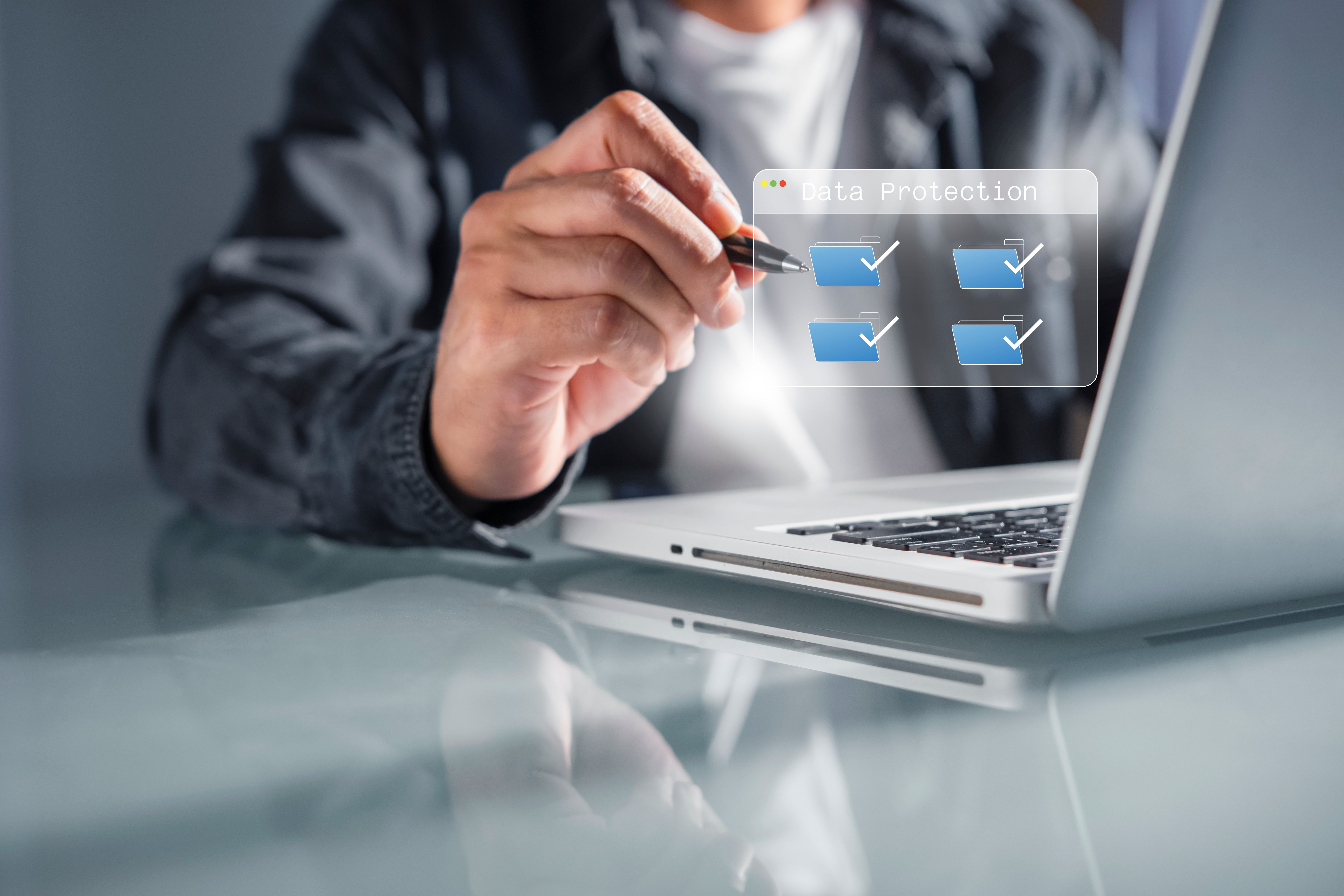
Before implementing new strategies, it's crucial to assess your current cybersecurity posture. Conduct a thorough risk assessment to identify vulnerabilities in your systems. This can involve reviewing your hardware, software, and data management practices. By understanding where your weaknesses lie, you can prioritize actions that will provide the most protection for your budget.
Implementing Basic Security Measures
Start by ensuring that basic security measures are in place. This includes installing and regularly updating antivirus software, using strong passwords, and enabling firewalls. Educate your employees on best practices for cybersecurity, such as recognizing phishing emails and maintaining secure passwords. These steps provide a solid foundation for your cybersecurity strategy.

Utilizing Cloud-Based Security Solutions
Cloud-based security solutions are becoming increasingly popular among small businesses due to their affordability and scalability. These solutions offer real-time protection and automatic updates, minimizing the need for in-house IT resources. Consider using cloud services that provide encryption and backup options to safeguard your data.
Leveraging Managed Security Services
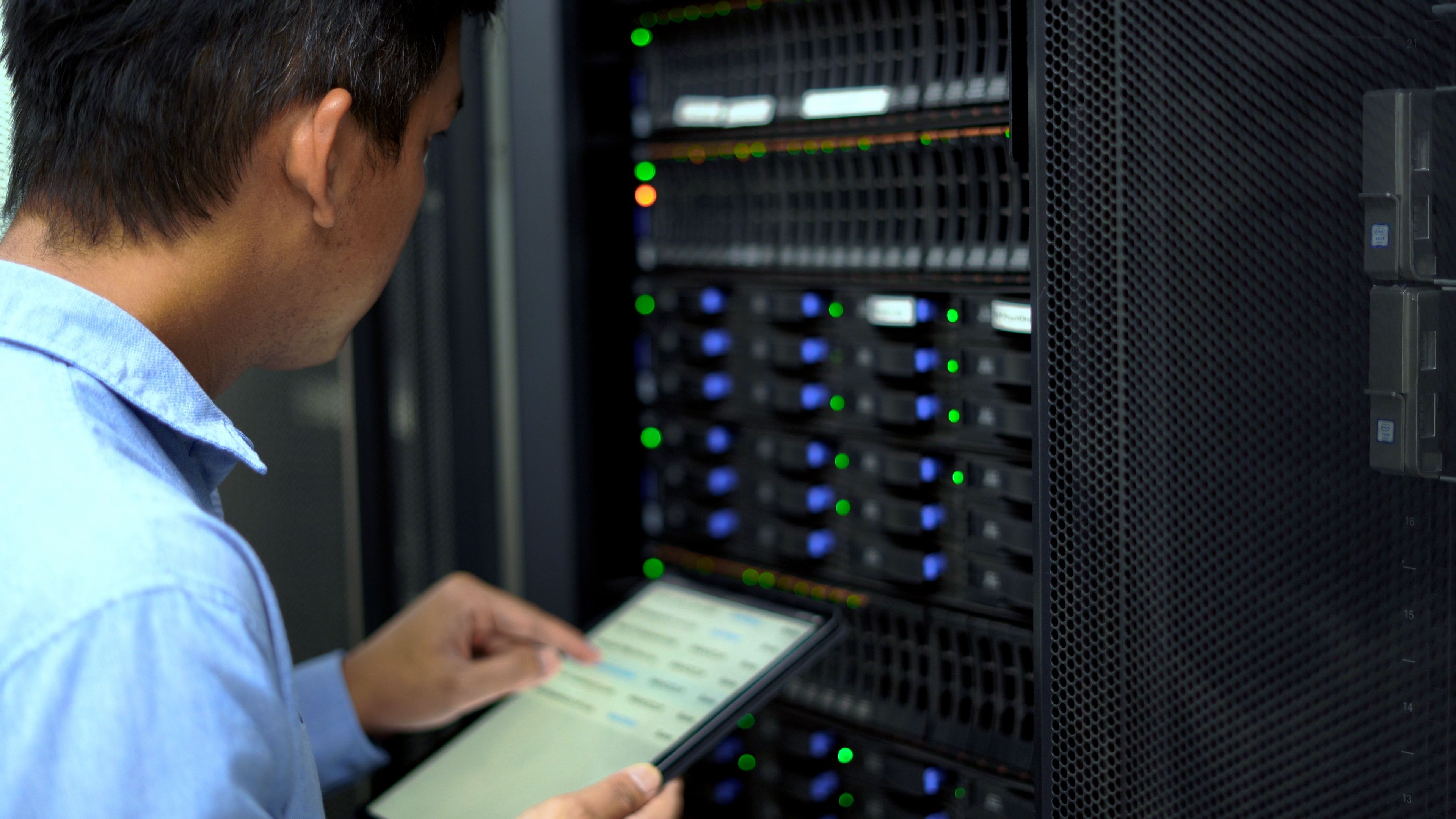
If your business lacks the resources to manage cybersecurity internally, consider leveraging managed security services. These services provide access to expert knowledge and technology without the cost of maintaining a full-time, in-house IT team. Managed security providers can offer continuous monitoring and rapid response to potential threats.
Implementing Multi-Factor Authentication
Multi-factor authentication (MFA) is an additional layer of security that requires users to verify their identity through two or more methods. Implementing MFA can significantly reduce the risk of unauthorized access to your systems. Encourage employees to use MFA for all company-related accounts, adding an extra level of protection beyond simple passwords.
Regularly Updating Software and Systems
Keeping all software and systems up to date is a simple yet effective strategy to prevent cyberattacks. Updates often include patches for security vulnerabilities that hackers could exploit. Ensure that automatic updates are enabled wherever possible, and routinely check for new updates for any critical software used in your business operations.
Creating a Cybersecurity Response Plan
Despite the best preventive measures, breaches can still occur. Having a cybersecurity response plan in place ensures that your business can respond quickly and effectively to any incidents. This plan should outline the steps employees need to take in the event of a breach, including who to contact and how to mitigate damage.
By implementing these cost-effective cybersecurity strategies, small businesses in Sydney can protect themselves against cyber threats without breaking the bank. Staying informed and proactive is key to maintaining a secure digital environment.