Expert Tips on Managing Remote IT Teams in Sydney
Understanding the Dynamics of Remote IT Teams
Managing remote IT teams in Sydney presents unique challenges and opportunities. The shift towards remote work has accelerated rapidly, and understanding the dynamics is crucial for success. With the right strategies, leaders can leverage the flexibility and diversity of remote teams to drive innovation and productivity.

Effective Communication Strategies
Communication is the backbone of any successful remote team. Implementing clear and consistent communication channels ensures that everyone is on the same page. Tools like Slack, Microsoft Teams, and Zoom can facilitate real-time interactions and keep team members connected.
Establishing regular check-ins and meetings helps maintain transparency and fosters a sense of community. Encourage open dialogue and actively listen to team members' concerns and suggestions.
Leveraging Technology for Enhanced Collaboration
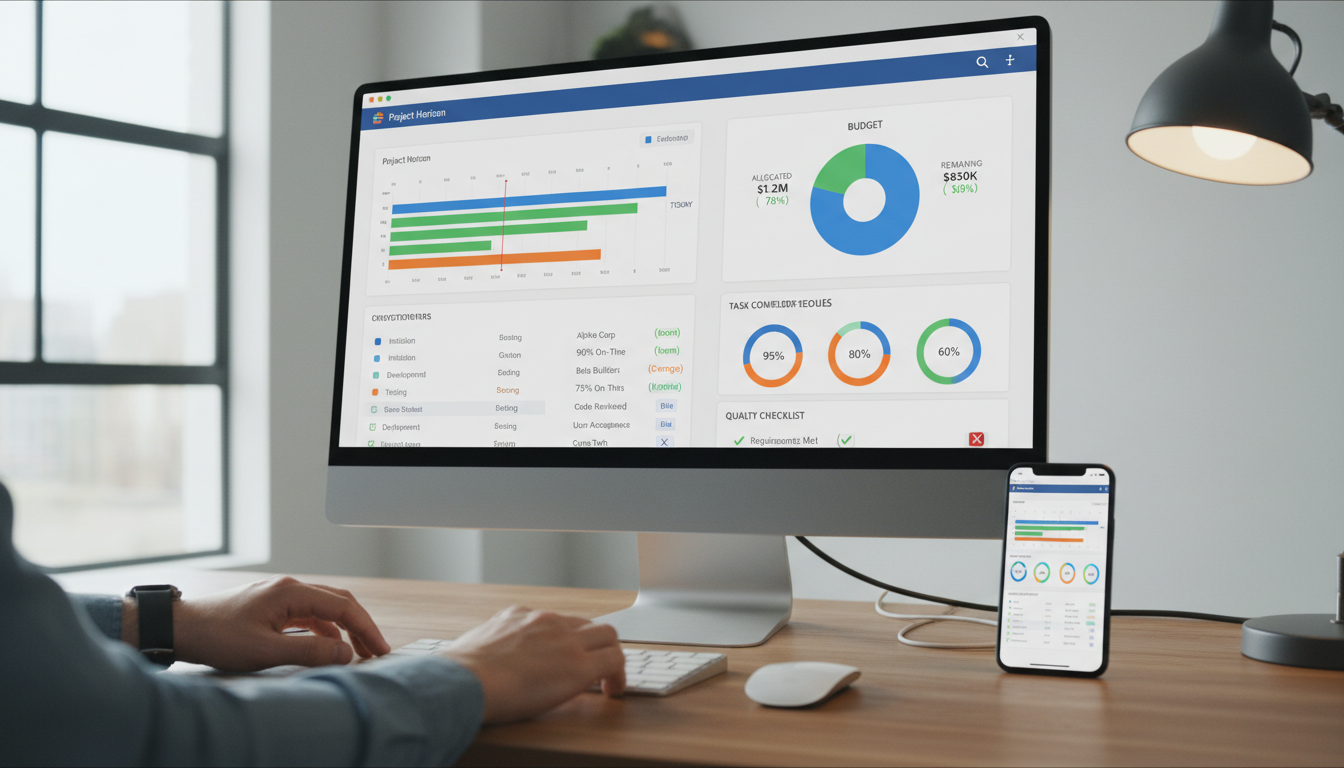
Utilizing the right technology is essential for remote IT teams. Project management tools such as Asana, Trello, and Jira help track progress and ensure accountability. These platforms offer features like task assignments, deadlines, and progress tracking, which are vital for managing complex projects.
Building a Strong Team Culture
Creating a strong team culture is vital for remote teams. Encourage social interactions through virtual coffee breaks or team-building activities. This helps build trust and camaraderie among team members, leading to increased collaboration and morale.
Recognize and celebrate achievements, both big and small. Acknowledging hard work and success boosts motivation and encourages continued excellence.
Ensuring Flexibility and Work-Life Balance
One of the advantages of remote work is the flexibility it offers. Allow team members to set their schedules when possible, promoting a healthy work-life balance. This flexibility can lead to higher job satisfaction and reduced burnout.
Set clear expectations regarding availability and performance. Providing autonomy empowers employees and fosters a sense of ownership over their work.

Continuous Learning and Development
Encourage continuous learning and development to keep your team on the cutting edge of technology. Offer access to online courses, webinars, and workshops. This not only enhances skills but also shows your commitment to employee growth.
Consider implementing mentorship programs where experienced team members can guide and support newer employees, fostering a culture of learning and collaboration.
Conclusion
Successfully managing remote IT teams in Sydney requires a combination of effective communication, the right technology, and a strong team culture. By focusing on these areas, leaders can harness the full potential of their remote teams, driving innovation and achieving outstanding results. Embrace the opportunities remote work presents, and watch your team thrive.