How to Optimize Your IT Systems: A Step-by-Step DIY Guide
Understanding Your IT Systems
Optimizing your IT systems can seem daunting, but with the right approach, you can significantly enhance their performance and reliability. Understanding the components of your IT systems is the first crucial step. These typically include hardware, software, network infrastructure, and data management systems.
Assessing Current Performance
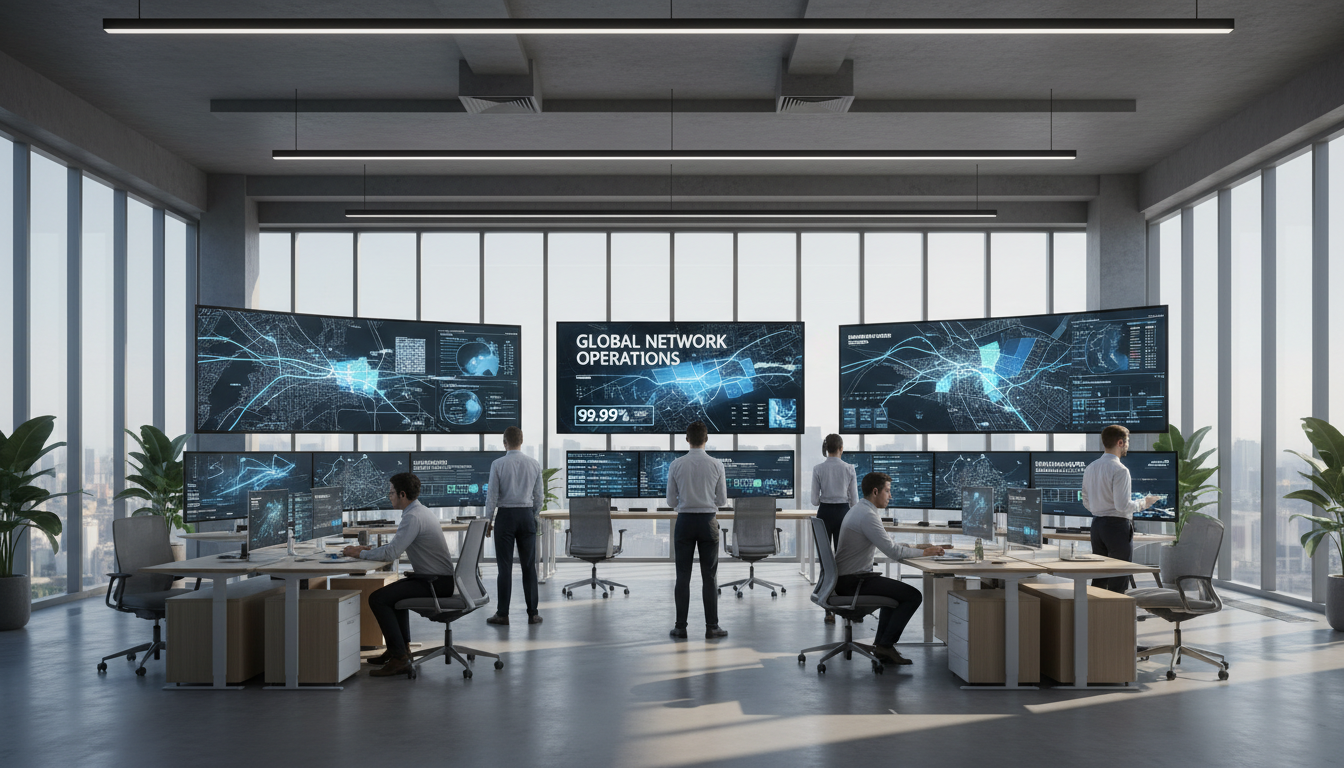
Before making any changes, assess the current performance of your IT systems. Identify bottlenecks or recurring issues. Utilize performance monitoring tools to gather data on system usage, response times, and error rates. This assessment forms the baseline for your optimization efforts.
Analyzing Hardware
Review your hardware specifications, including CPU, memory, and storage capacity. Upgrading outdated hardware can lead to immediate improvements. Ensure your systems are not overheating and maintain regular cleaning schedules to prevent dust buildup.
Software Optimization
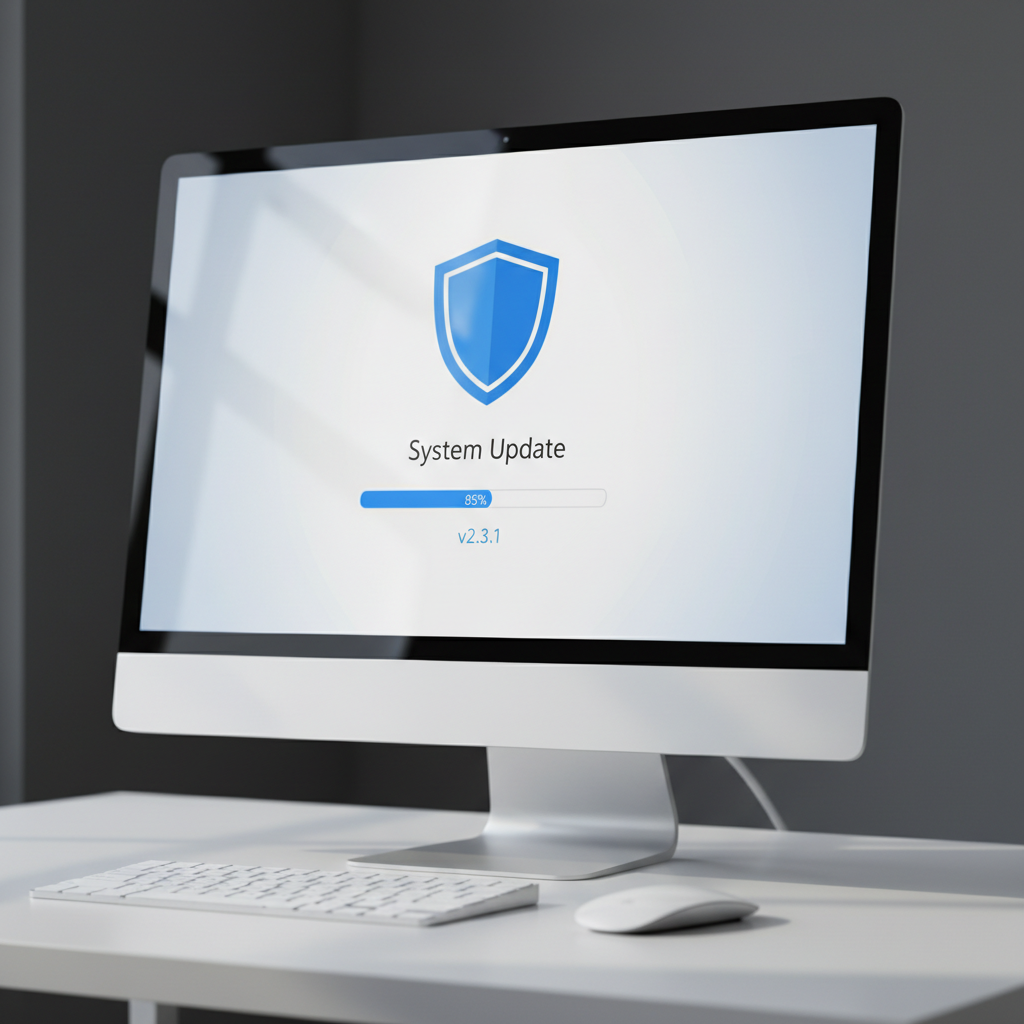
Software efficiency is key to a well-functioning IT system. Regularly update your software to benefit from the latest features and security patches. Remove any unnecessary applications that consume resources and slow down performance.
Virtualization
Consider implementing virtualization if you're not already using it. Virtualization allows you to run multiple operating systems on a single physical machine, maximizing resource utilization and reducing costs.
Network Enhancements
Your network infrastructure plays a vital role in system performance. Conduct a network audit to identify areas for improvement. Optimize router settings and ensure your Wi-Fi is configured correctly for maximum coverage and speed.
Security Measures
Never compromise on security. Implement firewalls, antivirus software, and encryption protocols to protect your data. Regularly update passwords and educate your team on cybersecurity best practices.

Data Management
Efficient data management is essential for optimizing your IT systems. Implement data backup solutions and establish a regular backup schedule. Organize data logically and ensure quick access for those who need it.
Cloud Solutions
Explore cloud-based solutions for scalability and flexibility. Cloud services can reduce the burden on your local infrastructure and offer advanced analytics and storage options.
Monitoring and Maintenance
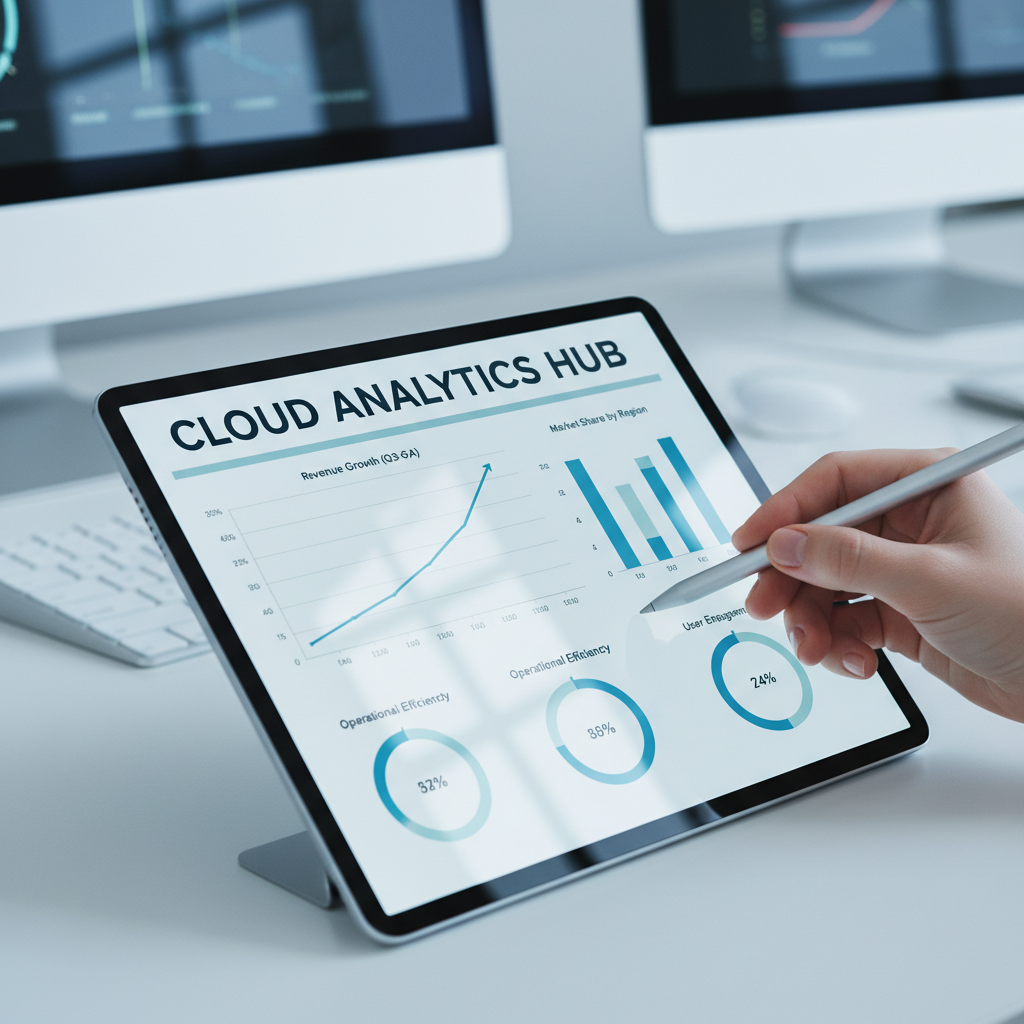
Optimization is an ongoing process. Regularly monitor system performance and conduct maintenance checks. Implement automated alerts to quickly address any issues that arise, ensuring your IT systems remain in top shape.