The Ultimate Guide to Network Setup and Management in NSW
Introduction to Network Setup
Setting up a network in New South Wales (NSW) can be a complex task, but with the right guidance, it becomes manageable. Whether you're a small business or a large corporation, a well-configured network is crucial for seamless operations. In this guide, we'll walk you through the essential steps to set up and manage your network efficiently.
Understanding Your Network Needs
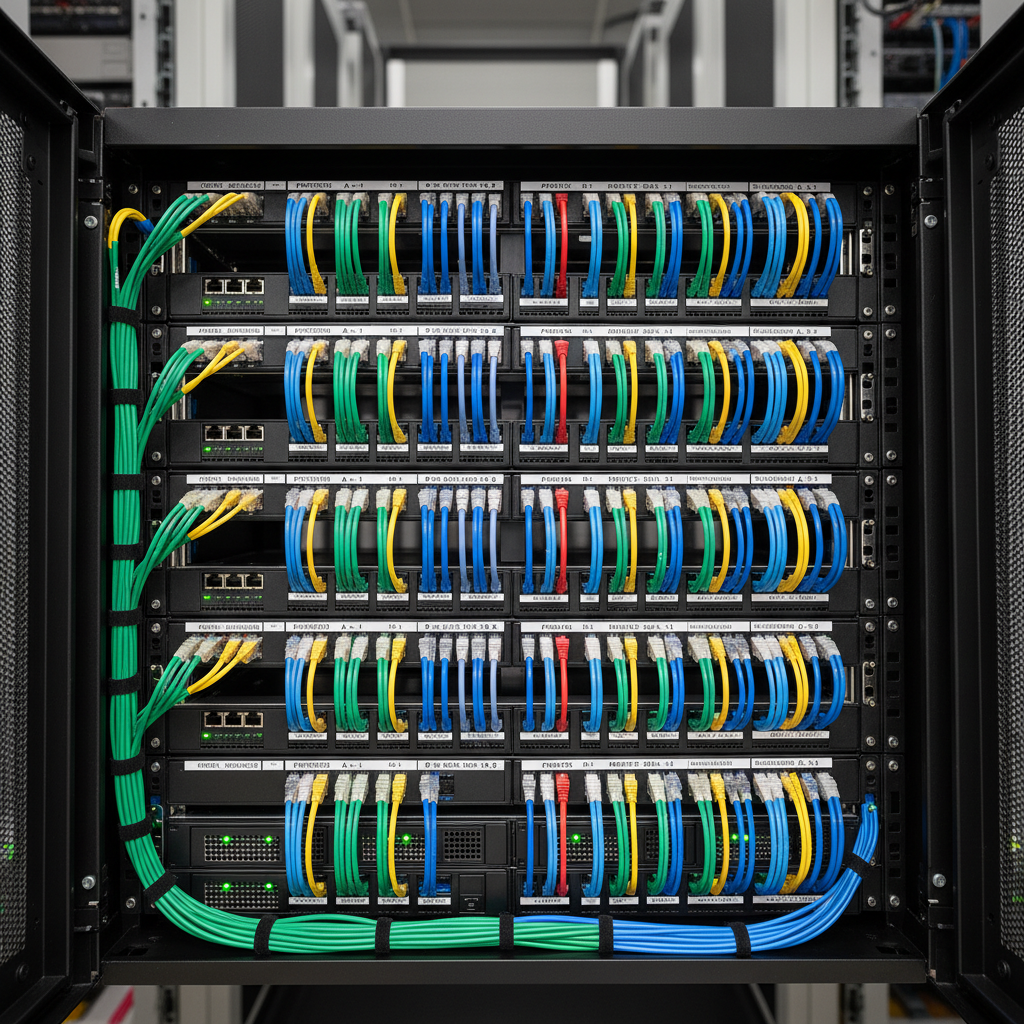
Before diving into the technical aspects, it's important to assess your network requirements. Consider the number of devices, type of data traffic, and security needs. This assessment will guide you in choosing the right hardware and software solutions that fit your specific situation.
For businesses, scalability is key. Ensure that whatever setup you choose can grow with your business. This means investing in equipment that supports more users and devices without compromising performance.
Choosing the Right Hardware
The selection of hardware is critical. Routers, switches, and access points are the backbone of your network. Choose devices that support the latest standards like Wi-Fi 6 for optimal performance. Additionally, consider the range and coverage to ensure all areas of your premises have strong connectivity.
Configuring Your Network
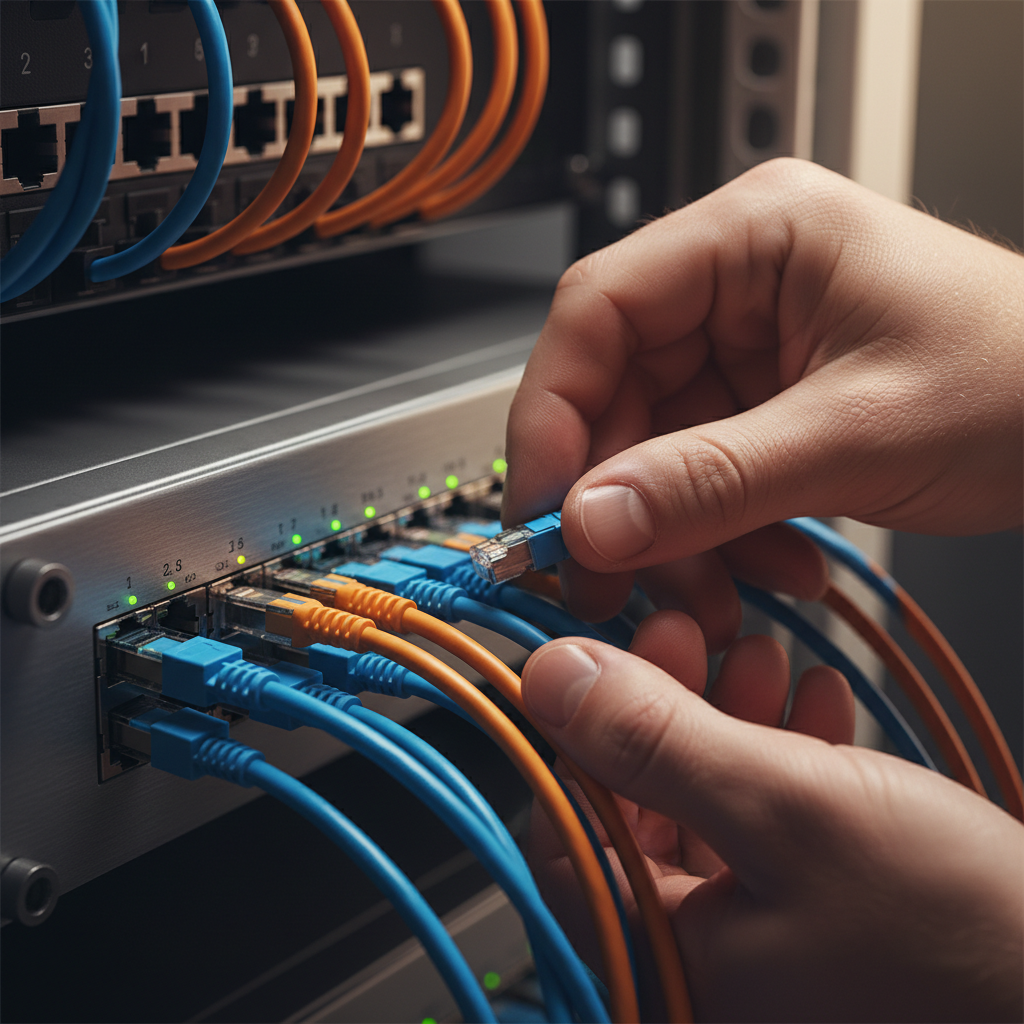
Once you have your hardware, the next step is configuration. Start by setting up your router with a secure password and enable network encryption. Configure IP addressing, either static or dynamic, based on your network size and needs.
For larger networks, segmenting traffic using VLANs can enhance performance and security. This involves dividing the network into different segments where each has its own policies and access controls.
Implementing Network Security
Security should be a top priority in any network setup. Use firewalls to block unauthorized access and employ intrusion detection systems to monitor suspicious activities. Regularly update your firmware and software to protect against vulnerabilities.

Network Management and Monitoring
Effective network management involves continuous monitoring and maintenance. Utilize network management tools to oversee performance, detect issues, and optimize resources. These tools can provide insights into traffic patterns and assist in troubleshooting.
Regular audits and assessments are essential. They help in identifying potential weaknesses and ensuring that your network remains robust and secure over time. Schedule routine checks to update configurations and address any emerging threats.
Future-Proofing Your Network
As technology evolves, so should your network. Stay informed about the latest advancements and be prepared to adopt new technologies that can enhance your operations. This might involve upgrading hardware or integrating new software solutions.

By following these guidelines, you can establish a reliable network setup in NSW that supports your business needs and provides room for future growth. With careful planning and management, your network will be a powerful asset in achieving your organizational goals.